5 GRANDMAS HEALTHY TEEN: A GUIDE TO NUTRIENT-DENSE EATING
We all know the importance of proper nutrition for maintaining overall health. But, nutrition is especially important during one’s teenage years while adolescent brains and bodies are rapidly growing and developing.
THE TEEN DIET
It is common for teenagers to set aside healthy eating, especially with the pressures of school, sports, and relationships. Easy access to unhealthy and processed foods makes it difficult to make healthy choices. For example, after school my friends and I head to Trader Joe’s to buy something to eat. The first choice is usually sugary cakes, ice cream, or potato chips. It’s so easy to forget about what one is putting inside of their body. This is a problem because, unfortunately, there are short-term and long-term effects that result from careless eating habits.
FOOD MATTERS
According to an article from Psychiatrist.com, a study done on rats revealed that consuming junk food often, especially during adolescence, can hinder brain development and function. Lead author and postdoctoral research fellow at the University of Southern California, Anna Hayes, was inspired to conduct her research after she stumbled across a study that suggested a link between an unhealthy diet and Alzheimer’s disease.
Though this is an extreme possible consequence of unhealthy eating habits, there are other reasons why developing healthy eating habits as an adolescent is important.
A health guide for teenagers, created by the National Institute of Diabetes and Digestive and Kidney Diseases, explains how making good food choices for your physical and mental health can improve energy levels, muscle, and bone strength, help maintain a healthy weight, and improve academic and athletic performance.
WHAT'S HEALTHY?
A healthy diet can look different for everyone, as it is dependent on factors such as weight, height, and lifestyle. Typically, a daily intake of 2,000 calories is considered ideal for most people, but that could be more or less depending on activity level.
Before adjusting your diet, it is important to take into account these factors to make sure you aren’t restricting yourself, because developing an eating disorder is worse than unhealthy eating habits.
A great way to find out your personal needs is by filling out the MyPlate Plan - a personalized nutrition guide developed by the U.S. Department of Agriculture (USDA) to help you follow the Dietary Guidelines for Americans. It provides a customized "food group target" that specifies exactly what and how much you should eat from each of the five food groups to stay within a specific daily calorie allowance.
The good stuff
Generally, the most important things to limit are processed or take-out foods and sugary drinks such as sodas or juices. They spike your glucose while providing little to no extra nutrients. Also, over indulging in foods that are high in cholesterol, saturated fats, and sodium can be dangerous. And, just to complicate things, it’s not a good idea to fully limit intake of these nutrients since they are still essential to a healthy diet, but require moderation.
It’s best to pack your diet with nutrient rich foods that contain calcium, vitamin D, potassium, and fiber. These nutrients are often lacking in teenage diets but are super-nutrients for your body and brian. Our meals should be nutrient dense with various fruits, veggies, and other food groups. A simple rule of thumb to follow is that the more colorful the meal, the better it is for you.
5 GRANDMAS HEALTHY TEEN MENU
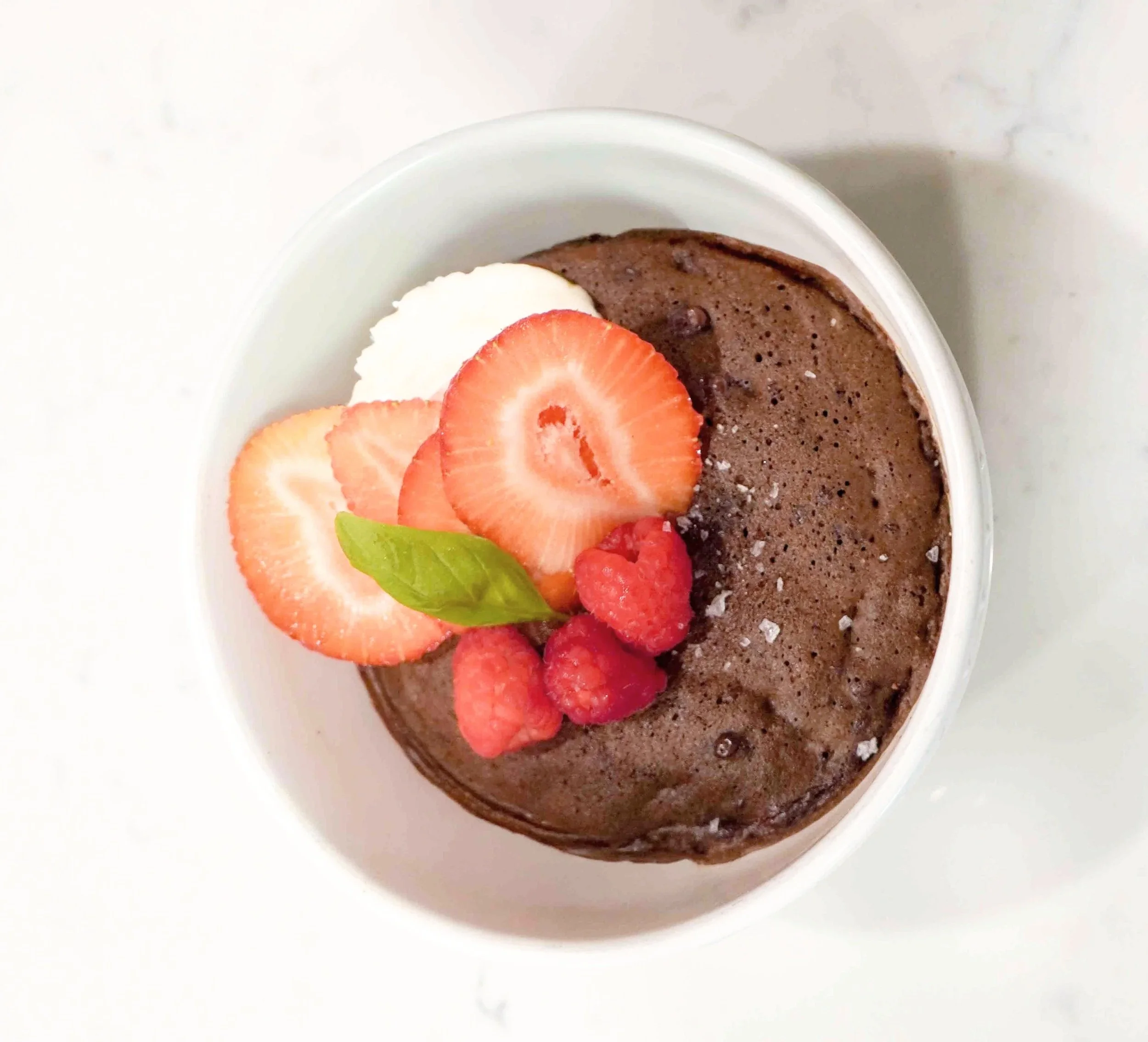
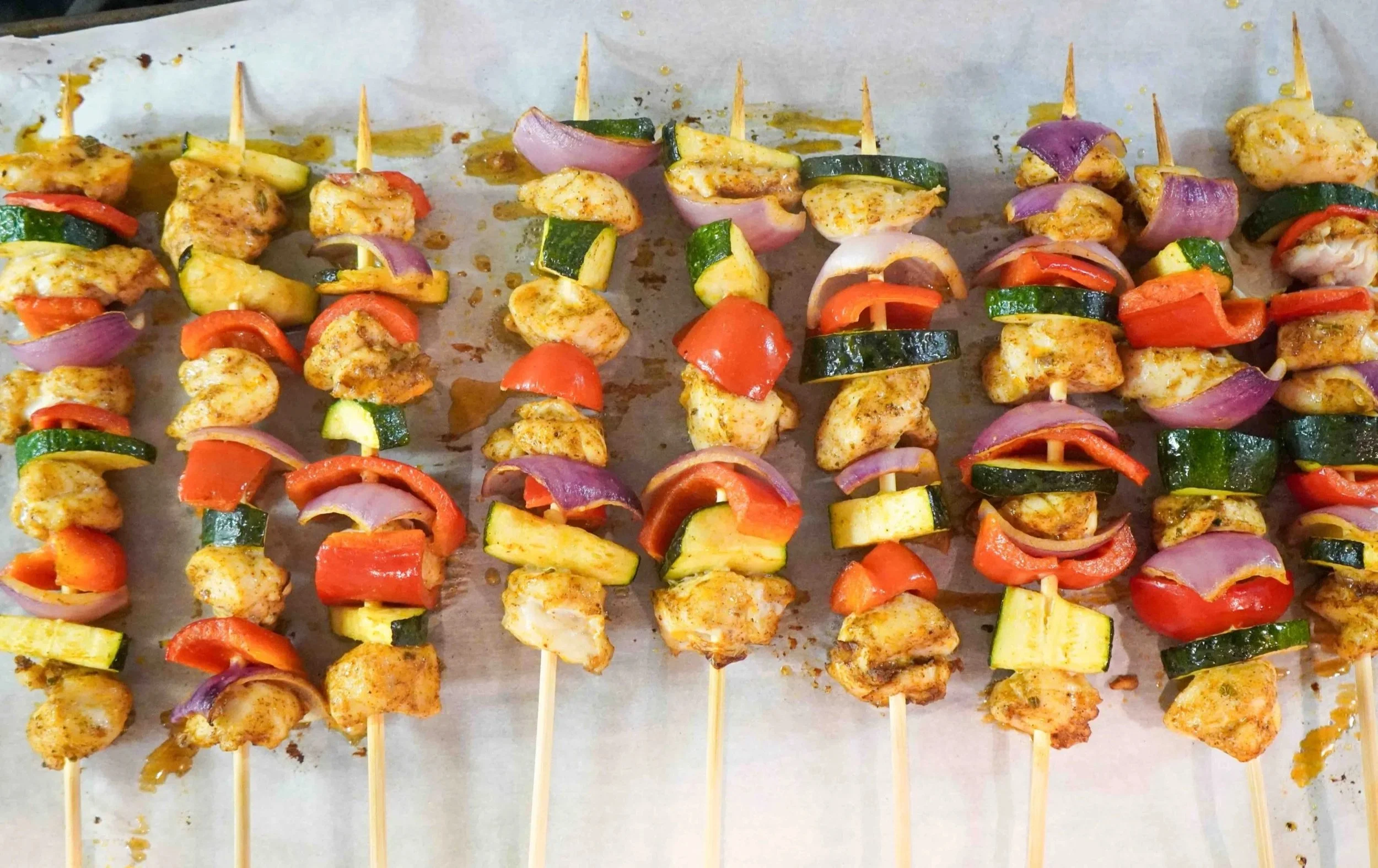
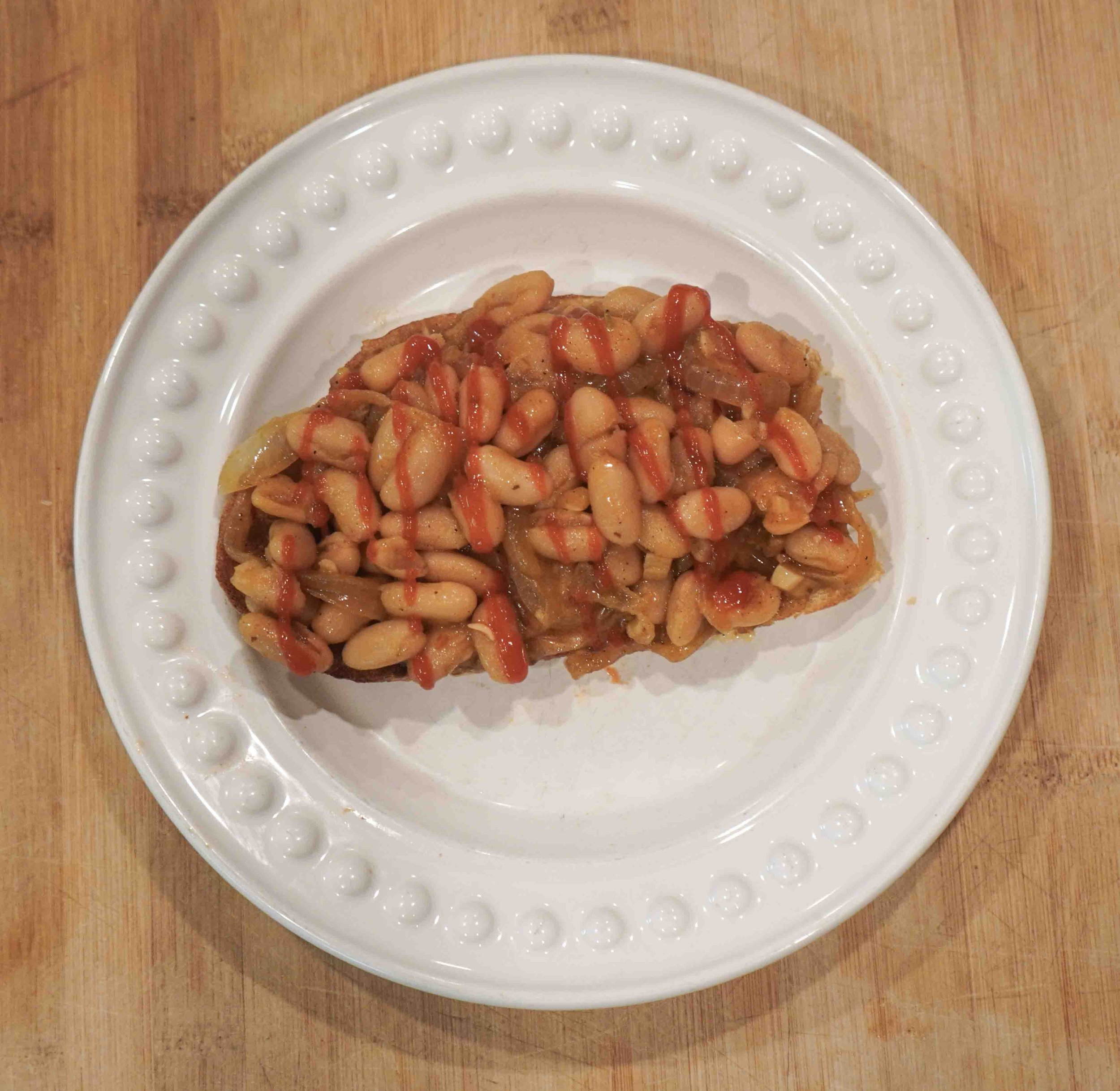
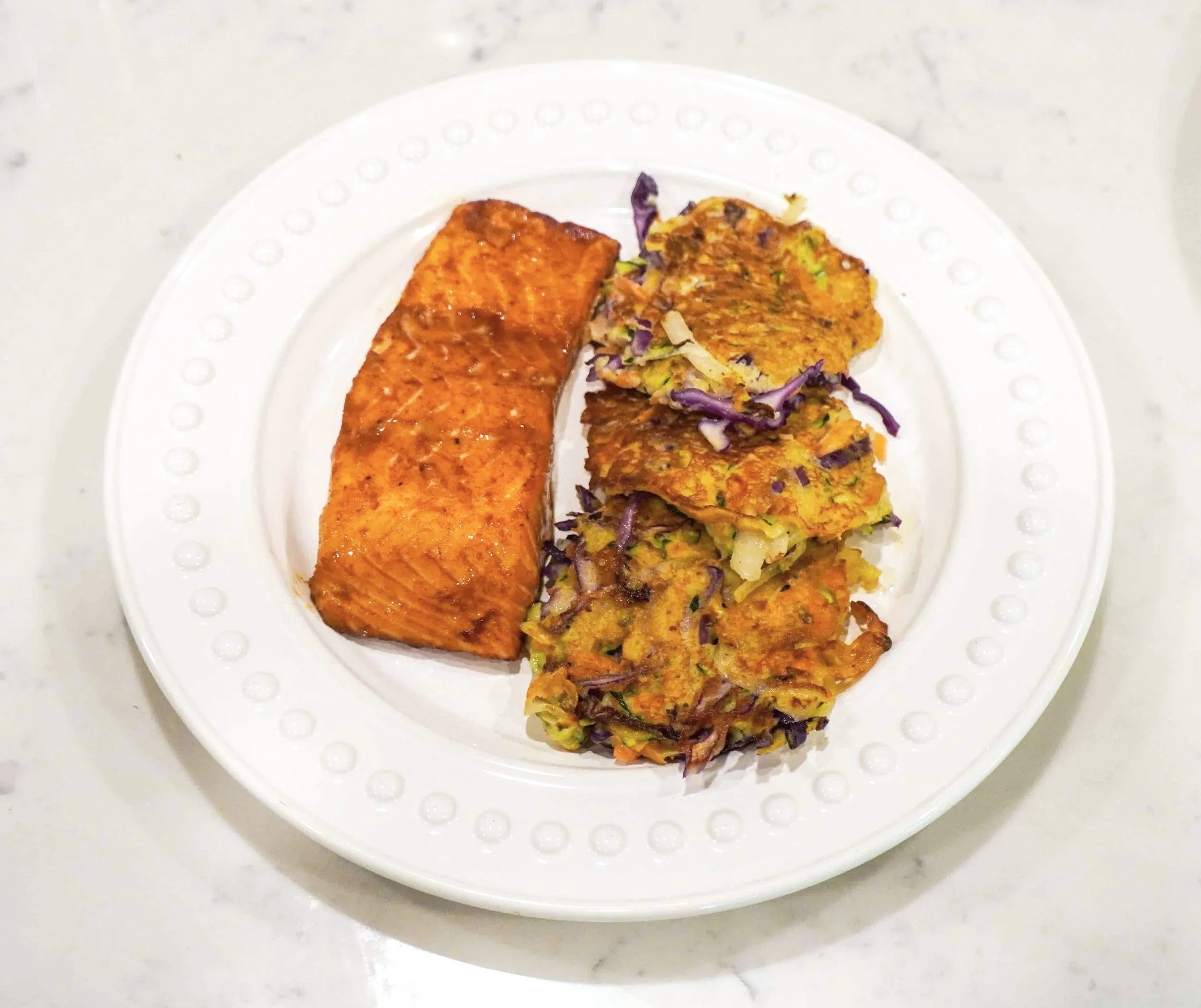
Many teenagers aren’t focusing on healthy eating. But, maybe they don’t realize how easy and delicious eating healthy can be. I’ve created a series of recipes that focus on using healthy ingredients to create quick and delicious meals catered towards the taste buds of the average teenager.
These recipes in this article follow the following criteria:
They take 45 minutes or less (for cook and prep time)
Each recipe has at least 3 essential food groups
There are easy ingredient substitutions for picky eaters
They are easy to prep and make in advance
All ingredients can be easily sourced from a local grocery store
They are limited to no more than 15 ingredients (not including salt, pepper, and other seasonings)